

Most players treat the spin button like a light switch. Push it once, see if the reels settle the way you hoped. As a designer who has built paytables and sequenced bonus logic for two decades, I can tell you the machine is already doing a lot of quiet maths before you touch anything. Max betting changes that relationship entirely, because you are no longer testing a game so much as committing to its volatility curve in a single session. That is the real question worth asking, and it is the one this piece keeps returning to.
The focus behind a max-bet approach
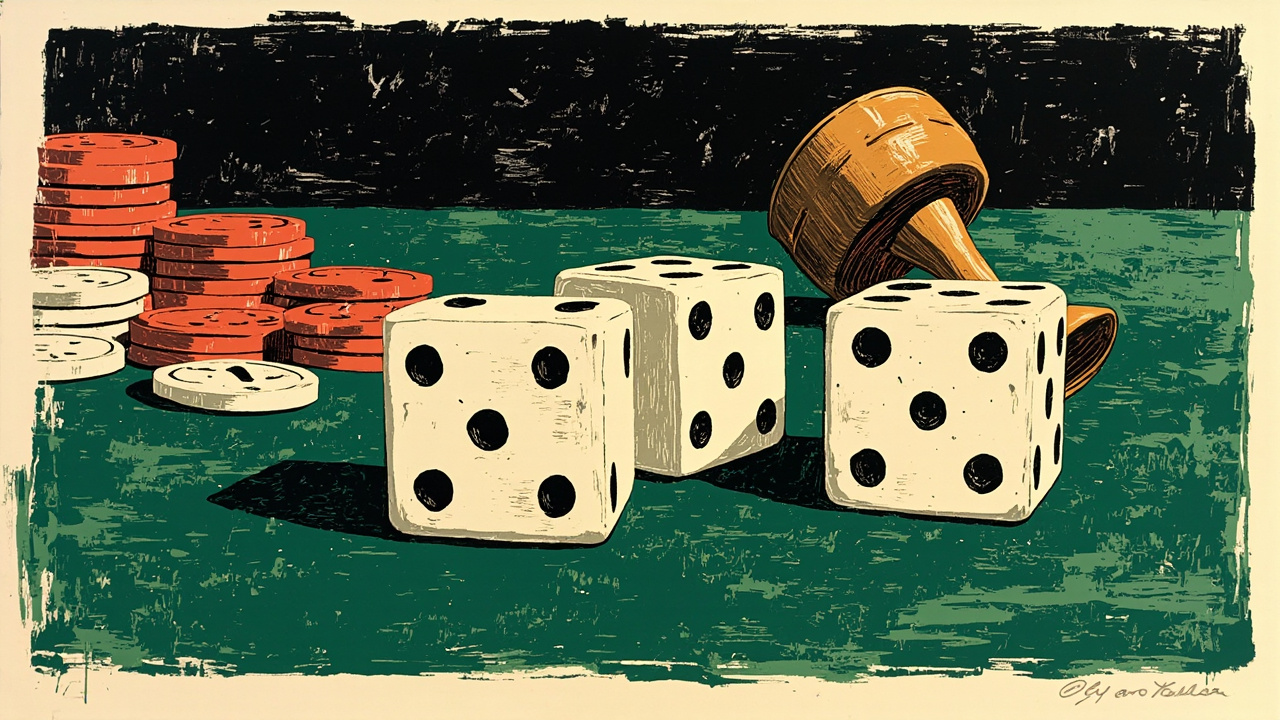
The focus here is not about chasing a bigger payout for its own sake. It is about what the bet size actually controls: how quickly your balance breathes, how often bonus rounds enter the picture, and whether the session feels like a measured run or a frantic scramble. In my own modelling work, I have watched identical games behave almost like different products once you move from a single line to the full spread, because the hit frequency and the return distribution start talking to each other in a much louder voice.
That is why I keep coming back to the idea that a max-bet session should be built around a clear priority before you ever load a balance. If your priority is seeing the bonus mechanics more often, you are making a different trade-off than if your priority is stretching a bankroll across a longer arc. Neither choice is wrong, but they are not interchangeable, and the machines will tell you which one you made within the first few spins.
At a practical level, this is where a property like needforspin casino tends to get mentioned by players who are already thinking in terms of session shape rather than raw spin count. The reason is simple: once you are betting across all lines at the top end, the cashier flow, the bet ladder, and the way the game rounds out become part of the same decision, not three separate tabs you visit later.
What changes when the bet climbs
Volatility and session shape
When you push a pokies machine to its top bet, the first thing that shifts is not the jackpot size but the volatility you experience minute to minute. A lower bet spreads the same theoretical return across more spins, which usually means smaller swings and a slower read on whether the game is sitting in a cold patch or a warm one. A max bet compresses that timeline. You see results faster, which sounds like a win if you want quick feedback, but it also means a rough patch can chew through a balance before you have finished your coffee.
I have run session simulations where the same game, same RTP, same bonus structure produced two completely different player experiences just by changing the entry bet. The lower-bet run looked steadier and more forgiving. The max-bet run looked decisive and, for some players, more engaging, because the outcomes arrived with enough weight to feel meaningful instead of background noise. That difference is real, and it is why I would rather a player understand their own tolerance for swing than be told a bigger bet is automatically the smarter move.
There is also the practical matter of how a max bet interacts with the way a session is paced. If you are sitting in a Sydney pub or playing on a phone during a lunch break, the same bet size can feel like two different activities. On the floor, the rhythm is set by the room and the people around you. On mobile, the rhythm is set by your own impulse to tap again. The machine does not care which one it is, but your bankroll certainly does, and that is the part most casual conversations miss.
Bonus access and bet sizing
The second major shift is how bonus access behaves when the bet climbs. Some games weight their free spins, pick-em rounds, or retrigger logic in ways that feel more attainable at a higher line bet, not because the odds change in a magical sense, but because the threshold for entering and staying in a bonus can sit in a range where a max bet makes the entry condition feel less diluted by smaller stakes. Again, this is not a secret payout trick. It is a design question about how often the game wants to hand you a second act and how much the base game is expected to carry before that happens.
I have seen paytables where the bonus is genuinely the main event and the base game is mostly a waiting room. In those cases, a smaller bet can feel like paying full price for a train ride when what you actually want is the destination. A max bet can align better with that priority, provided you are comfortable with the faster burn rate if the bonus does not land when you hoped. The tradeoff is plain: you are buying faster access to the feature at the cost of a thinner cushion between entries.
That is where a designer’s judgement call matters more than a slogan. I would rather a player choose a bet size that matches the feature they actually want to see than one that looks impressive on the screen. If the bonus is the point, the bet should be chosen with that in mind. If the point is a long, steady run with smaller peaks and troughs, then max betting can work against the session you were trying to have. The machine will honour either choice, but it will not tell you which one you meant to make.
Linking the max-bet question to player needs
The reason this matters for real players is that the bet size is one of the few controls you actually have before the reels start. You cannot steer the outcome, but you can choose the pace at which you want the session to speak to you. That is a useful distinction, because it turns the question from a vague hope into a practical decision about bankroll, time, and what kind of ride you signed up for.
For players who want a tighter read on their session, a max bet can be a way of making the game’s behaviour visible sooner rather than later. For players who want to sit with a game longer and watch the rhythm unfold, the same bet can feel unnecessarily sharp. Neither approach is more honest than the other, but they do suit different priorities, and those priorities should be decided before the first spin, not after the balance has already moved.
If you are weighing that choice from a payments angle as well, the same logic carries through to the cashier. A max-bet session tends to ask a different question of your deposit rhythm and your withdrawal expectations than a lower-stakes run, simply because the balance moves with more force. That is not a reason to avoid it, but it is a reason to treat the cashier as part of the same decision rather than a separate chore you deal with later.
Verdict
Max betting on pokies is not a trick and it is not a guarantee. It is a choice about how loud you want the session to be, how quickly you want feedback, and which part of the game you want to prioritise. If you understand that before you press the button, the bet size becomes a useful tool instead of a hopeful leap.
Glossary
- RTP: return to player, the theoretical share of wagered money a game is designed to pay back over time.
- Volatility: how much and how often a game’s results swing around that theoretical average.
- Bonus round: a separate game mode, such as free spins or a pick feature, triggered by specific reel combinations.
- Bet ladder: the range of stake options available on a game, from the smallest to the largest.