

Pokies Hold Feature Explained for Australian Players
What a Pokies Hold Feature Actually Does for Your Play
When I sold enterprise software across APAC, I learned that a feature only matters if it changes how you allocate resources over time. The pokies hold feature explained here is similar: it is less about chasing a big hit and more about controlling how long a bankroll stays active during a session. For Australian adults weighing where to spend an arvo, that distinction shapes whether a game fits a quiet night at home or a planned trip to a Western Sydney club. This review focuses on ongoing value after any welcome offer, because recurring promos, cashback, loyalty tiers, tournaments and repeat-play reasons are what separate a one-off spin from a sensible habit.
How the Hold Mechanic Fits a Different Priority
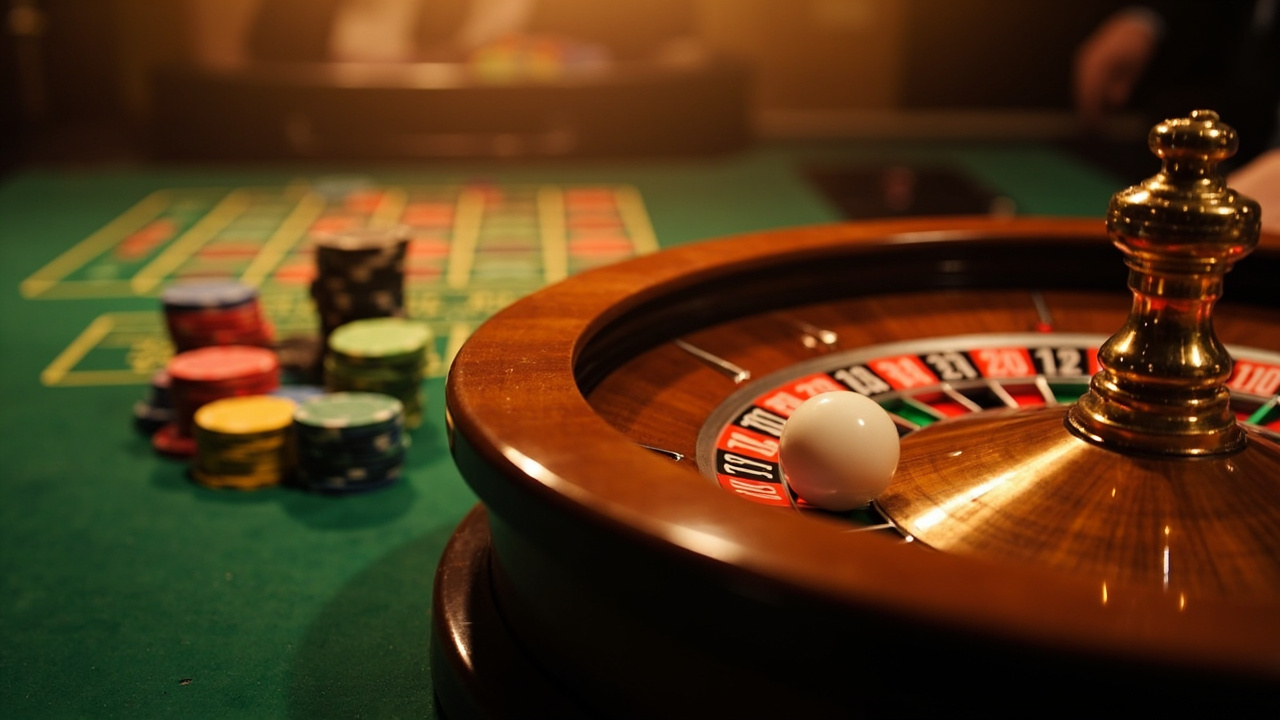
Most casual players think of pokies as a pure luck exercise, but a hold mechanic changes the conversation by letting you lock selected reels or a portion of a win for the next round. That sounds simple, yet the real value shows up when you compare it to how I used to structure SaaS renewals: the product only sticks if it solves a recurring problem, not a one-off wish. In practical terms, a hold feature gives you a way to extend a promising sequence without adding more credits immediately, which is a different priority than games built purely around rapid volatility.
That same retention logic applies to modern pokies, where a well-timed hold feature can turn a fleeting payout into a sustained session by rewarding strategic timing rather than blind chance. When you actually break down the mathematics behind these sticky mechanics, you start seeing why certain platforms prioritize long-term engagement over short-term volatility spikes. For a deeper look at how these retention models are engineered, you can read more at casino casoola, which breaks down the underlying design patterns that keep players coming back.
The way this plays out on screen depends on the provider and the paytable, so I always tell people to read the rules before they treat a hold as a free pass. Some titles let you hold specific symbols, others freeze a total win amount, and a few blend both approaches with a small cost per activation. None of that guarantees a return, and it certainly does not turn a session into a reliable income stream, but it does give a player more say over pacing. That is the angle I want to keep front and centre: a hold feature is an alternative built around control and session length rather than the usual push for maximum speed.
For anyone comparing options, it helps to remember how local venues think about revenue sharing. NSW clubs must return a share of pokie profits to the community, which is a reminder that the ecosystem around these games is tied to real-world budgets and public outcomes, not just screen animations. That context matters when you choose between a home session and a venue visit, because the same hold feature can feel very different depending on whether you are paying per spin at a machine or playing on a licensed site with its own bonus structure. The point is not to glamorise either path, only to make the choice deliberate.
| Detail | What It Means Here |
|---|---|
| Positioning | Hold-focused pokies framed around session control and repeat play |
| Game mix | Video pokies from established providers with clear paytables |
| Bonus mechanics | Ongoing promos, cashback and loyalty rewards after the welcome offer |
| Payments/currencies | AUD accounts with standard deposit and withdrawal paths |
| Registration | Age-verified sign-up with identity checks before play |
| Mobile | Responsive play on phone and tablet browsers |
| Support | Contact options for account, bonus and payment queries |
| Loyalty | Tiered rewards tied to ongoing activity rather than a single deposit |
A Beginner’s Step-by-Step Guide to Using a Hold
If you are completely new to this, think of a hold feature the way I explain a RegTech workflow to a client who has never seen one: start with the goal, then add controls one at a time. Here is how I would walk a mate through it without overcomplicating the first session.
-
Pick a game with a visible hold option and read the paytable first. The symbols, special features and any cost to activate a hold should be clear before you put credits in, because guessing at the rules is the fastest way to waste a bankroll.
-
Decide what you want the hold to do for you. Some players use it to protect a small win and give the next spin a chance to build on it, while others use it to keep a favourable symbol pattern on screen. Either way, state the goal out loud or in your head so you are not activating it out of habit.
-
Check the cost or limit before you press the hold button. A hold can be free in some titles and deducted from your balance in others, so treat it like any other decision in the game: know the price, know the odds of the next outcome, and accept that the next spin is still random.
-
Use the hold as a pacing tool, not a rescue plan. If a session is going nowhere, a hold will not turn it around, and if you are chasing losses, locking reels will not change the underlying maths. I have seen this mindset trip up buyers in FinTech sales, where people expected a dashboard to fix a process problem; a tool only helps when the underlying plan is sound.
-
Track how the hold changes your session length, not just your balance. The useful question is whether the feature helps you play the way you intended, whether that is a shorter focused session or a longer one with more observation. That is the same kind of judgement I bring from real estate, where a property’s value depends on fit for the buyer’s plan, not on a single glossy photo.
Racing silks identify owners by distinctive colours and patterns, and in a similar way a hold feature marks out a different style of play from the standard rapid-spin approach. You are not changing the random outcomes, but you are choosing a pace and a level of involvement that suits your own rules. For Australian adults, that can be a practical middle ground between treating pokies as pure entertainment and treating them as something they are not.
Who This Hold-Focused Approach Suits Best
This style of play is not for everyone, and I am not going to pretend it is. It suits players who want a bit more involvement in how a session unfolds, especially those who already think in terms of session budget, time limit and a clear stop point. If you like watching a paytable, understanding a feature and making small decisions between spins, a hold mechanic can feel like a better fit than a game that only asks you to feed credits and hope.
It is less appealing for people who want the simplest possible experience or who are mainly chasing a fast, high-energy session. In my sales career, I learned quickly that a product pitched as universally useful usually ends up serving a narrower group well, and pokies are no different. A hold feature rewards attention and restraint, so it tends to suit players who are comfortable setting their own pace and walking away when the session has run its course.
Ongoing value matters here more than the first deposit bonus, because the real test is what happens after the welcome offer ends. Recurring promos, cashback, loyalty and VIP tiers, tournaments and repeat-play reasons are the parts of a platform that affect whether you keep coming back for the right reasons. Georgia King, Sports Betting Analyst, Sunburnt Country Interactive, has pointed out that recurring reward structures often shape player behaviour more than a one-off bonus, which is a useful caveat when you are judging whether a hold-focused game fits your habits. Hannah Anderson, Strategy Director, Swan River Interactive, has also noted that comps are budgeted as a percentage of theoretical, not actual, loss, a reminder that what looks generous on the surface is always tied to a model behind the scenes.
For players in or around Western Sydney, the practical differences are even more concrete. You might compare a venue session with a home session, thinking about travel time, crowd noise, machine availability and the way a hold feature behaves on a phone screen versus a physical machine. No worries, the choice does not have to be dramatic; it is just about matching the setting to the way you actually want to play.
If you are weighing a platform for this kind of play, it is worth checking how the loyalty and promo side works once the welcome offer is gone, because that is where the hold feature meets the rest of the experience. A well-run programme will give you reasons to return that are not just about chasing a bonus, and that is the kind of ongoing value I look for when I judge any product. Comps are budgeted as a percentage of theoretical, not actual, loss, so the visible rewards are only part of the picture, and the rest is about whether the platform’s structure suits your own rules.
A sensible session with a hold feature is still a session with random outcomes, and the feature does not remove that reality. What it can do is give you a clearer way to manage pace, attention and bankroll decisions, which is why I reckon it is worth understanding before you treat it as a gimmick or a shortcut. Play within your limits, read the rules, and choose the setting that fits the way you want to spend your time.