

Decoding the brand’s Defining Materials & Construction
Instead of relying on branding, The Row has spent more than two decades cementing its standing on understatement, which is exactly why the brand’s method to fabrication rewards close study. When shoppers look up the row, best row bags, or row handbags, they are usually seeking something specific: an understanding of why a plain leather tote or a spare shoulder bag can carry a price tag that rivals heritage houses with a century of history behind them. The explanation lives in the particulars most shoppers never see — the tannage of the hide, the density of the stitching, the weight of the hardware — and in the discipline of a design studio that treats minimalism as the hardest possible standard to meet.
Here, we unpack what truly goes into the row bags and the row fashion as a whole, from raw material sourcing to the finishing techniques that set apart a genuinely well-made piece from something that simply looks quiet. We’ll also look at how to shop strategically, including where to buy the row margaux bag and what to expect if you’re browsing a row sale in 2026.
The Leather Standard: Where It Comes From and How It’s Tanned
The Row relies chiefly on vegetable-tanned and chrome-tanned calfskin, as well as lambskin for softer silhouettes and periodic exotic leathers for limited releases. The vegetable-tanning process, a process that can take anywhere from 30 to 60 days the row half moon bag depending on the tannery, results in a more structured hand and a patina that matures with age rather than cracking or peeling. That’s an intentional decision: the row bags are built to be used for years, not seasons, and the leather is expected to soften and darken slightly with handling.
Sourcing matters just as much as tanning method. The brand has been known to work with European tanneries in Italy and France, regions that supply roughly 60% of the world’s premium leather goods according to industry trade data. Hides are picked for minimal grain imperfection, meaning a significant percentage of raw material is discarded before it ever reaches the cutting table. That selectivity is unnoticeable at first glance but becomes obvious after two or three years of daily wear, when a lesser hide would already display wear at stress points like handles and corners.
- Veg-tanned calfskin: firmer structure, forms patina over 12-24 months of regular use
- Chrome-tanned calfskin: more pliable immediately, retains shape with lighter internal structure
- Lambskin: used for softer, slouchier silhouettes, lighter overall bag weight
- Exotic, limited-run leathers: released in smaller batches, typically priced higher
Hardware, Linings, and the Details Nobody Photographs
Take a closer look at any row handbags closely and you’ll pick up on that the hardware lean toward a understated look — brushed rather than polished metal, usually unbranded, and sitting flush against the leather instead of protruding.
That’s a manufacturing decision every bit as much as a design one.
Because it’s set flush, the fitting cuts back on snagging and deterioration over time, while the brushed surface guards against scuffs that would typically show up quickly on glossier gold-toned fittings.
The lining materials used inside are usually made from suede or a tightly woven canvas twill, both chosen for toughness against the wear of everyday handling rather than for decorative appeal. Seam stitching is unusually dense: a good number of the row bag styles rely on 7 to 9 stitches per inch along stress-bearing seams, whereas the broader industry standard sits closer to 5 or 6 for mass-produced leather goods. This single factor explains a significant share of the labor expense built into the price, because denser stitching demands slower, more meticulous machine passes and frequently hand-finishing at the seam edges.
Why Simplicity Needs More Work, Not Less Effort
Many people wrongly assume that pared-back design is less costly to produce because it is devoid of embellishment. Reality points the other way at this caliber of workmanship. Without hardware, prints, or decorative stitching to distract the eye, every seam, edge, and proportion has to be perfect, because there is nowhere for a flaw to hide. Take, for instance, the edge-painting on the row tote bag styles: it’s usually built up in multiple thin coats and buffed between applications, a method capable of adding hours to the manufacturing time of just one bag compared to a folded or raw edge finish.
Signature Silhouettes and Construction: The Row Bags Snapshot
A useful row bags overview starts with recognizing that the brand organizes its handbag output around a handful of core shapes that recur season after season with only minor updates, rather than chasing trend-driven releases. This is unusual in an industry that typically refreshes bag lines twice a year to drive urgency. The Row’s approach instead builds long-term recognition through consistency, which is part of why resale value on the top row bags has remained comparatively strong.
The Margaux, in the eyes of most the label’s most instantly identifiable shape, is distinguished by its clean-lined trapezoidal form, minimal exterior hardware, and a top handle design that calls back to classic doctor’s-bag styling. Fashion followers often wonder where the row margaux bag can be purchased, and the straightforward response is that access is kept purposefully scarce: it’s sold through The Row’s own flagship stores, its official website, and a small number of authorized luxury retailers. Such limited availability is purposeful and feeds both the bag’s allure and its secondary-market strength.
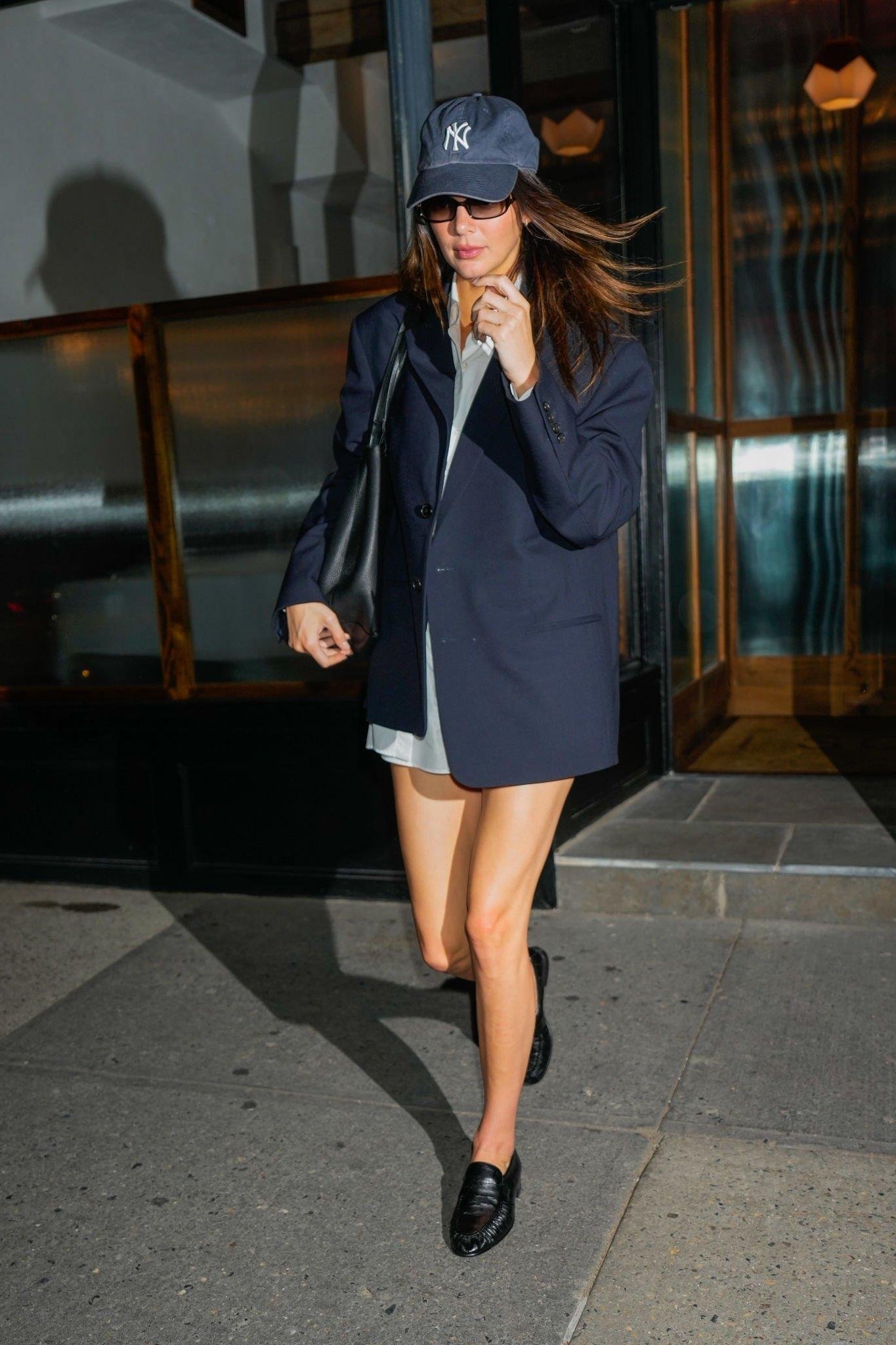
- Margaux: structured trapezoid silhouette, top handle, offered across several size options
- Sofia: softly shaped tote profile with pared-back outer stitching
- Wander: curved, slouchier tote shape ideal for everyday use
- Ascot: small-scale top-handle bag with a crisper geometric shape
Comparing Construction Across the Best-Known Styles
The chart that follows outlines broad build features for four frequently cited styles within the row handbags lineup. What follows are broad observational comparisons based on design details available publicly rather than precise specs, since specific dimensions and price vary by season and material.
| Silhouette | Primary Leather | Hardware Style | Ideal Use |
|---|---|---|---|
| Margaux | Naturally tanned calfskin | Low-profile, brushed-finish hardware | Firm-shaped daily tote use |
| Sofia | Chrome-tanned calfskin | Minimal, low-set | Gentler, more relaxed carry |
| Wander | Supple lambskin or calfskin | Discreet clasps | Breezy routine errands |
| Ascot | Naturally tanned calfskin | Firm carrying handle | Sharp, professional-leaning style |
Being a Savvy Shopper: The Row Markdown Moments and Secondhand Market Notes
Because the row fashion rarely discounts through conventional promotional cycles, a genuine row sale is worth paying attention to when it appears, typically during seasonal transitions at select department stores or through the brand’s own periodic markdowns. In contrast to quick-cycling brands, The Row avoids leaning on frequent sales to move inventory, so markdowns on the rare occasion they happen tend to correspond to end-of-season transitions rather than excess inventory.
When shopping a row sale, make it a priority to inspect structural details either firsthand or via sharp, detailed retailer imagery: the tightness of stitching, edge-paint consistency, and hardware alignment are the quickest indicators of genuineness and craftsmanship level. Secondhand and resale markets have also grown significantly for the row bags, with marketplaces dedicated to authenticated designer resale reporting solid value retention on core silhouettes like the Margaux, often holding 60-75% of original retail price within the first two to three years, varying with the item’s condition and color choice.
Maintenance Habits That Preserve Value
Diligent upkeep extends both the durability and resale worth of any the row bag. Veg-tanned leather is improved by conditioning every 6 to 12 months according to how often it’s used and the surrounding climate, opting for a low-silicone leather conditioner that could interfere with natural patina development. Keeping bags upright and lightly stuffed inside guards against structural creases, particularly important for more structured styles like the Margaux and Ascot.
- Treat veg-tanned leather every 6-12 months
- Store bags upright with light interior support to preserve structure
- Avoid direct sunlight exposure for extended periods, which accelerates fading
- Wipe down hardware with a soft, dry cloth rather than chemical polishers
Closing Notes on Construction Quality as the Ultimate Deciding Element
The unifying idea across every piece The Row produces is that construction quality, instead of branding, accounts for the worth. Each stitch density, tanning method, and hardware detail mirrors a design approach rooted in lasting quality rather than seasonal churn. For shoppers weighing top row bags against other luxury choices in 2026, the smartest approach is to judge craftsmanship directly — stitch density, edge finishing, leather tannage — rather than relying on price alone as a proxy for craftsmanship. That’s ultimately what separates a bag that ages gracefully over a decade from one that simply looks good in a single season.